
- Company overview The heart of SMC Vision & Philsophy Partnership Certifications Company culture
- Our service Design and Engineering Maintenance and Service Examine Production Line Upgrade and Transformation Storage and Logistics Processing, Trading and Distributor
- Management Our history Global responsibility Info Center
- Procurement center Internship
- Construction & Real Estate
- General Mechanical Equipment Refrigeration Equipment Metal & Metallurgy Machinery Other Equipments Compressor
- Safety Roadway Safety Personal Protective Equipment
- Mechanical Basic Parts Bearing Spare Parts
- Hardware Tools
- Instrumentation Testing and Analysis Instruments Other Instrumentations
- Electrical & Electronics
- Construction Machinery Lifting Machinery Earth Moving machinery Road Construction Machinery Drilling Machinery Logistics Machinery Generator Set & Engine Other Machinery
- Rubber & Plastics Plastic Pipes and Pipe Fittings Fiberglass Reinforced Plastic Pontoon System PCTFE Product Polymer Material
- Industrial Gas Container
- Hotel Equipment & Supplies
- Daily Necessities Fabric Products Glasswork Pet Supplies
- Environmental Protection Machinery
Cold Shrink Tubing


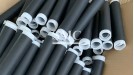
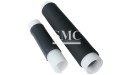


Product: Cold‑shrink Tubing | EPDM / Silicone Rubber
Core Design: Removable PA pull‑out support core
Installation: Tool‑free cold fit, no heating required
Shanghai Mac Corporation is a leading Cold Shrink Tubing manufacturer and supplier.
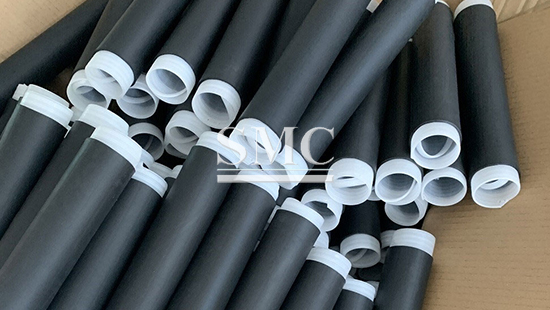
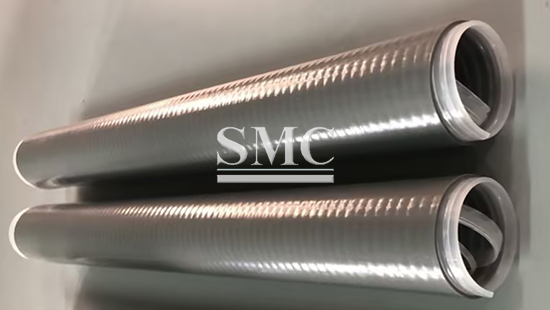
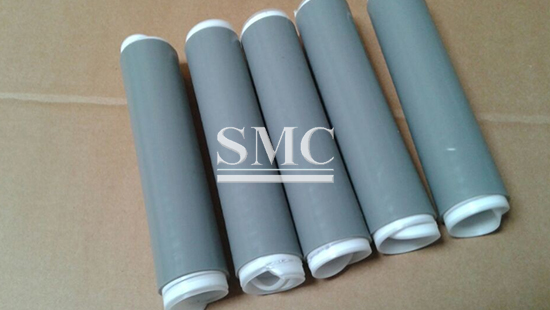
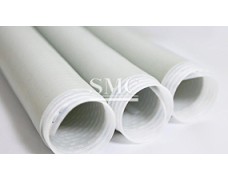
Cold Shrink Tubing, also referred to as cold‑shrink sleeve, is a rubber‑based cable accessory pre‑expanded over a removable PA support core. It is available in EPDM rubber and silicone rubber material options. Unlike heat‑shrink products that require open‑flame heating tools for installation, this component relies on the retractive force of stretched rubber material. Operators pull out the inner PA core on‑site, and the rubber tubing shrinks tightly onto cable surfaces without torches or heat‑generating equipment. This product fits field‑built power and communication cable joints, cable terminations and cable repair splices, both for indoor setup and exposed outdoor deployment. It addresses common on‑site difficulties: restricted working space, no accessible power source for heating gear, safety risks brought by open‑flame operation, and poor environmental sealing after cable connection. It blocks moisture, dust and ultraviolet exposure from penetrating cable interfaces, stabilizes electrical insulation performance for long‑term cable operation.
If you want to know more about our Electrical & Electronics products or Cold Shrink Tubing price please feel free to contact us, we will reply you within 24 hours.





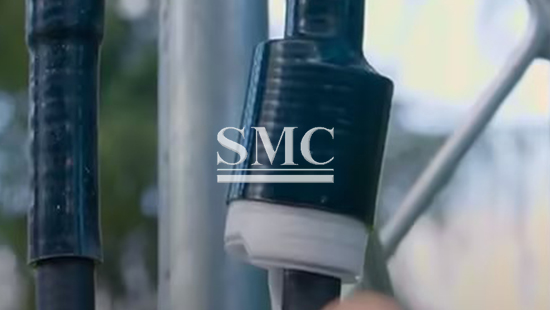
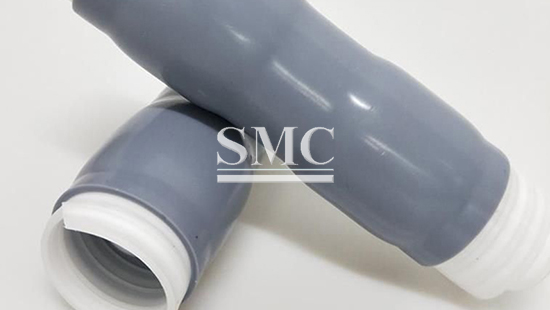
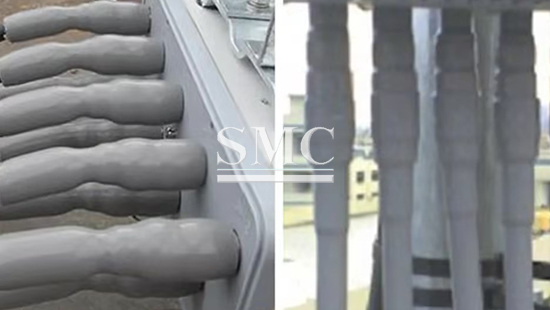
Production Process
Formula → Plasticating → Mastication & Mixing → Open‑mill Mixing → Heat Milling → Filtration → Vulcanizing Agent Addition → Thin Pass Milling → Extruding Strips → Extrusion → Vulcanization → Length Setting → Cutting → Expansion → Finishing → Inspection → Packaging
|
Voltage Class |
Conductor Quantity & Application |
Cable Cross sectional Area(mm2) |
Insulation Outer Diameter(mm) |
|
8.7/15(17.5)kV (6/10(12)6.35/11(12)kV) |
1, 3 |
25-50 |
16.0-20 |
|
|
Indoor Termination |
70-120 |
20.5-25 |
|
|
|
150-240 |
25.5-30 |
|
|
|
300-400 |
30.5-36 |
|
|
|
500-630 |
36.5-43 |
|
|
1, 3 |
25-50 |
16.0-20 |
|
|
Outdoor Termination |
70-120 |
20.5-25 |
|
|
|
150-240 |
25.5-30 |
|
|
|
300-400 |
30.5-36 |
|
|
|
500-630 |
36.5-43 |
|
12/20(24)kV (12.7/22(24)kV) |
1, 3 |
25-50 |
18.0-22 |
|
|
Indoor Termination |
70-120 |
22.5-27 |
|
|
|
150-240 |
27.5-32 |
|
|
|
300-400 |
32.5-38 |
|
|
|
500-630 |
38.5-45 |
|
|
1, 3 |
25-50 |
18.0-22 |
|
|
Outdoor Termination |
70-120 |
22.5-27 |
|
|
|
150-240 |
27.5-32 |
|
|
|
300-400 |
32.5-38 |
|
|
|
500-630 |
38.5-45 |
|
18/20(36)kV (18/30(36)&19/33(36)kV) |
1, 3 |
35-70 |
25.5-30 |
|
|
Indoor Termination |
95-185 |
30.5-36 |
|
|
|
240-400 |
36.5-43 |
|
|
|
500-630 |
43.5-48 |
|
|
1, 3 |
35-70 |
25.5-30 |
|
|
Outdoor Termination |
95-185 |
30.5-36 |
|
|
|
240-400 |
36.5-43 |
|
|
|
500-630 |
43.5-48 |
|
26/35(40.5)kV (20.8/36(42)kV) |
1, 3 |
50-95 |
30.5-36 |
|
|
Indoor Termination |
120-240 |
36.5-43 |
|
|
|
300-400 |
43.5-48 |
|
|
|
500-630 |
48.5-55 |
|
|
1, 3 |
50-95 |
30.5-36 |
|
|
Outdoor Termination |
120-240 |
36.5-43 |
|
|
|
300-400 |
43.5-48 |
|
|
|
500-630 |
48.5-55 |
Standard Packaging
Each cold shrink tubing unit is individually packed in transparent PE plastic bag with product label marking size, material and batch number. Quantified units are packed into corrugated export cartons. Cartons are stacked and strapped onto fumigated wooden pallets for overseas shipment. Carton dimension and gross weight are printed on outer carton surface.
Shipping
We support FCL and LCL sea freight, air freight and international express delivery, subject to order volume and destination port.
Available trade terms: **EXW, FOB, CIF**. Other terms may be available upon request.
Shipping cost will be calculated according to cargo volume, gross weight, destination location and selected transport mode.
Lead Time
Samples: 3‑7 working days
Standard orders: 15‑25 working days
Customized orders: 25‑40 working days


Q1: What is the difference between cold‑shrink tubing and heat‑shrink tubing?
A: Cold‑shrink tubing relies on pre‑stretched elastic rubber and removable plastic core for installation; no heat or torch is required. Heat‑shrink tubing needs heat source like hot‑air gun to shrink. Cold‑shrink works well for flame‑forbidden, narrow‑space field jobs; heat‑shrink has lower unit cost for general indoor projects.
Q2: What information do you need for a custom quotation?
A: Please provide inner diameter, working length, material (EPDM or silicone), required quantity, target application, and destination country. Special requirements like printing or modified hardness shall also be noted.
Q3: How do I install cold‑shrink tubing?
A: Slide the pre‑expanded cold‑shrink tube over the prepared cable joint / termination position, align it correctly, then steadily pull out the inner plastic support core. The rubber tubing will auto‑shrink tightly onto cable insulation. No heating tools are needed. Proper cable surface cleaning is required before installation.
Q4: What are the main advantages of cold‑shrink tubing?
A: Installation requires no open flame or heat gun, improving safety in hazardous‑area works. It maintains consistent radial compression over long service life, tolerates thermal expansion and contraction of cables. It fits confined cabinet spaces and reduces on‑site installation errors compared with heat‑shrink solutions.
Q5: What is the difference between EPDM and silicone cold shrink tubing?
A: EPDM features good UV‑resistance and cost‑performance, suited for general‑purpose outdoor cable joints and terminations. Silicone stands for wider temperature tolerance, better vibration resistance, fit for medium‑voltage, rail transit and high‑temperature working conditions.
Q6: What details do I need to offer for you to recommend suitable cold‑shrink tubing for my project?
A: Please share voltage class, cable insulation OD, working environment (indoor / outdoor / explosive area), expected operating temperature and application type: termination or splice.
Q7: What key factors should I consider to select proper cold shrink tubing for cable termination?
A: Confirm cable insulation outer diameter, operating voltage grade, working temperature range, working environment (indoor / outdoor, UV‑exposed or explosion‑risk area). Choose EPDM for general outdoor use and silicone for high‑temperature or heavy‑vibration conditions.

here
for
price